25 Sept 2015 – 3 Jan 2016, The Foundling Museum, London
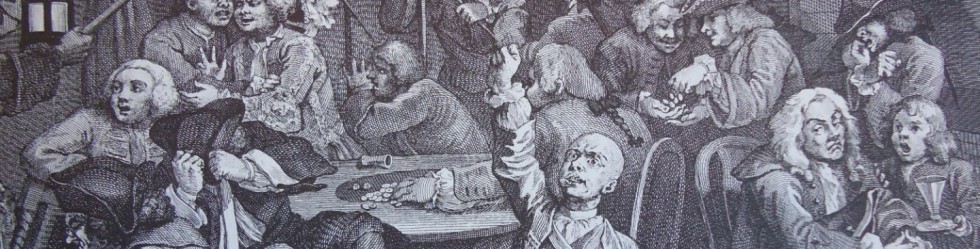
‘Woman is raped by her employer and becomes pregnant: unable to terminate the pregnancy, jobless and destitute; she abandons her baby and earns her living selling the only thing remaining in her possession, her body…’ A not unheard of tale even today is it? Following on from the eighteenth century’s focus on ‘virtue’ and its counterpart ‘vice’; Victorians became ever more concerned with the lowering standards of their people and their potential to slip into moral disrepute. The warning was clear: honest and virtuous women were endangered if they took a wrong turn – misled by a man, or worse-still, a man on the bottle – they would lose their honour, dignity and livelihoods; ‘falling’ into prostitution and, eventually maybe even, suicide.
London’s Foundling museum is a monument to the former institution, established in 1739, by philanthropist sea captain Thomas Coram who sought to diminish the astonishing number of abandoned children on the city’s streets. Women would petition the hospital in the hopes of securing refuge for their illegitimate babies and, as such, a more secure future than they were able to provide.
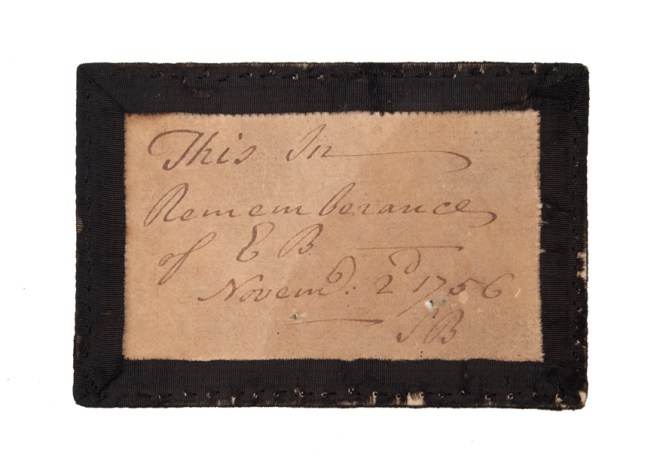
The vast collection contains these petitions, as well as a number of beautiful objects donated as tokens in the hope mothers could one day return with improved circumstances, prove their identity and be reunited with their kin. Pieces of cloth, playing cards, buttons and ribbons – sometimes lovingly stitched with messages of grief – are modest but evocative embodiments of a past and forgotten anguish.
I arrive just after lunch midweek on a quiet, grey but fresh Autumn day. The students manning reception are extra keen to provide as much information as I can carry, perhaps due to their eagerness to finally serve a visitor. They give me my exhibition guide, take my coat, and away I go. Scurrying past the main, familiar, gallery rooms and down to the basement for the first exhibition space. I am alone there, save for an elderly lady closely studying the display panels for want of her reading glasses – as she tells me, unprompted.
The gallery is small but powerfully poignant – a soundscape by artist Steve Lewinson gently fills the air with feminine whispers, the scratching of quills on paper and a slow, mournful, violin piece. Teal walls hung with frames are arranged into a sequence telling the story: first of the ideal woman in the Victorian age, a dedicated mother and homekeeper, and then of a ‘fallen’ one.
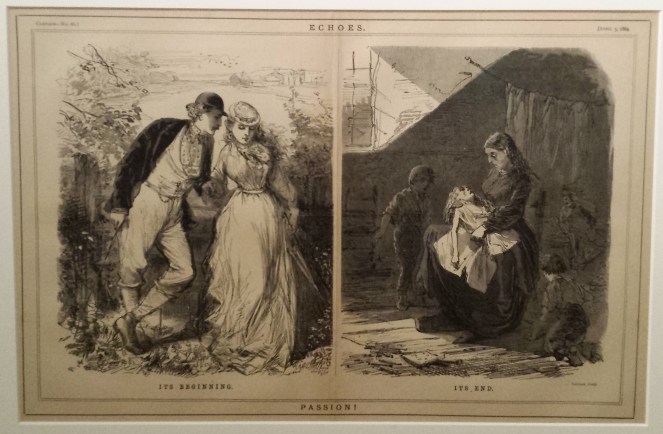
The petitions, handwritten and tear-soaked, evoke the desperation of the mothers who wrote them; displayed alongside moralising material including paintings, caricatures and stereoscope cards, providing significant and emotive cultural context. The display containing a pile of petitions marked ‘rejected’ was the most poignant for me: how devastating that these women had lived in a time of cruel judgement; their fate at the hands of those more privileged and bound by the strict social codes of their time.
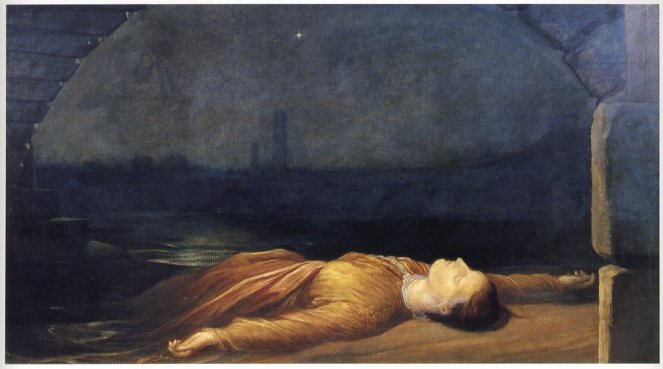
On the journey to the second and final room a list of all women who petitioned in this era fills the wall; an affecting tribute to their lives and a reminder of the realness of their wretched and woeful situations. The second room was less atmospheric but its inclusion meant there was adequate wallspace for an imposing painting by George Frederick Watts depicting a woman truly fallen: from one of London’s bridges into the Thames – her young, pale and lifeless body dominating the foreshore, and foreground, of the piece. I can see why the curator chose this as their poster image; it is both horrifying and magnificent and perfectly sums up the melancholy of this small but well-formed and thought-provoking exhibition.
 Georgian vice