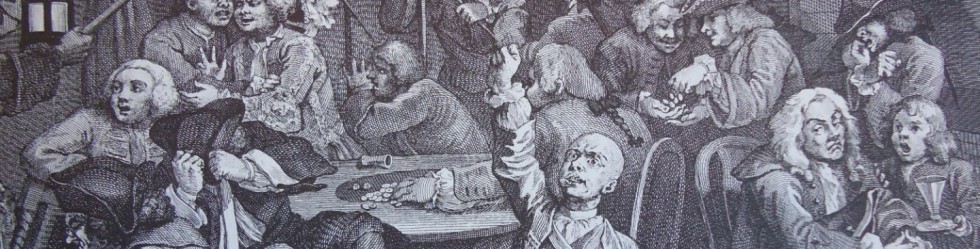
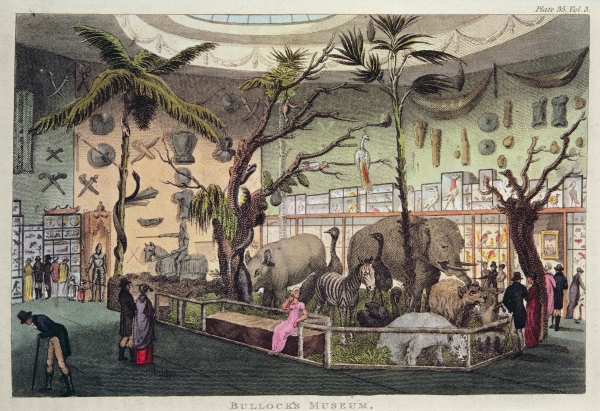
Us ‘eighteenth-century-ers’ have been somewhat spoilt exhibition-wise recently. With the British Library putting on their major exhibition: Georgians Revealed as well as lots of other smaller ones around the country over the last couple of years. 2016 it seems, is less so the year of the Georgians. But don’t let that depress you – having searched high and low through the depths of Google, I have managed to produce the below list.
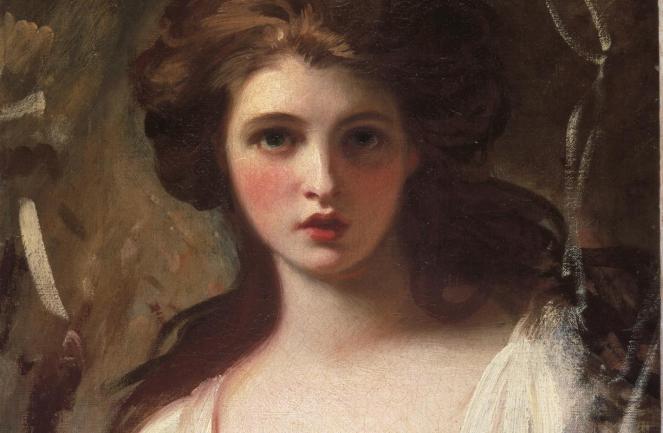
“The story of Emma Hamilton is one of female power and achievement in a man’s world, against all odds. Born into poverty in 1765, she rose to be a muse for famous artists, an influential ambassador’s wife, a European cultural icon and Nelson’s mistress – before facing prison and dying in destitution.
Emma Hamilton: Seduction and Celebrity traces her spectacular career from rags to riches and back again through over 200 objects, great paintings by George Romney, Sir Joshua Reynolds and Sir Thomas Lawrence, and heartfelt letters between Emma and her lovers. The exhibition also explores the obstacles and social barriers for a woman of her time in the public eye, many of which still resonate today.”
The Vulgar: Fashion Redefined, The Barbican Art Gallery, London, 13 Oct 2016 – 5 Feb 2017
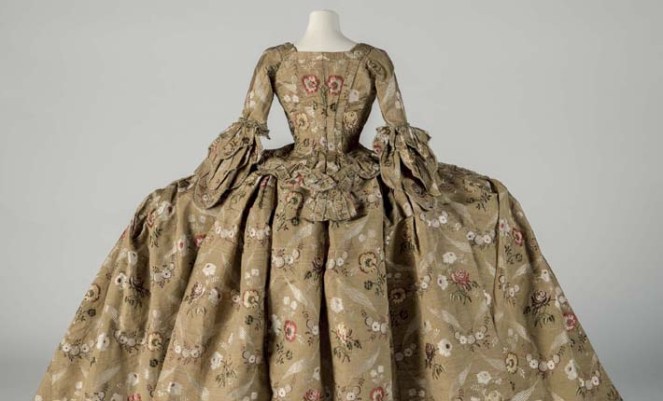
“Potent, provocative and sometimes shocking, the word vulgar conjures up strong images, ideas and feelings in us all. The Vulgar is the first exhibition to explore the inherently challenging but utterly compelling territory of taste in fashion, from the renaissance through to contemporary design. Examining the constantly evolving notion of vulgarity in fashion whilst revelling in its excesses, you are invited to think again about exactly what makes something vulgar and why it is such a sensitive and contested term.
Drawn from major public and private collections worldwide, The Vulgar showcases over 120 stunning objects, ranging from historical costumes to couture and ready-to-wear looks.”
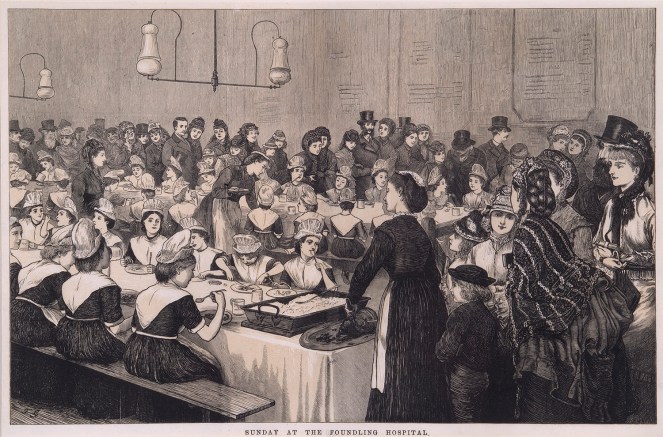
“Based on new research, guest curator Jane Levi presents the multi-faceted impact that food and eating regimes had on children at the Hospital from 1740 to 1950. This fascinating story is explored through art, archival material, photographs and the voices of former pupils, whose memories of food are captured in the Museum’s extensive sound archive.
Feeding the 400 explodes myths and misconceptions around eating at the Hospital, demonstrating how the institution’s food choices were far more than just questions of economy, nutrition and health.”
Bedlam: the Asylum and Beyond, Wellcome Collection, London, 15 Sept 2016 – 15 Jan 2017
![V0014729 The Hospital of Bethlem [Bedlam], St. George](https://georgianvice.com/wp-content/uploads/2016/02/bethlem.jpg?w=663)
“Follow the rise and fall of the mental asylum and explore how it has shaped the complex landscape of mental health today. Reimagine the institution, informed by the experiences of the patients, doctors, artists and reformers who inhabited the asylum or created alternatives to it.
Today asylums have largely been consigned to history but mental illness is more prevalent than ever, as our culture teems with therapeutic possibilities: from prescription medications and clinical treatment to complementary medicines, online support, and spiritual and creative practices. Against this background, the exhibition interrogates the original ideal that the asylum represented – a place of refuge, sanctuary and care – and asks whether and how it could be reclaimed.”
Below Stairs, Sir John Soane’s Museum, London, 13 Sept 2016 – 28 Jan 2017
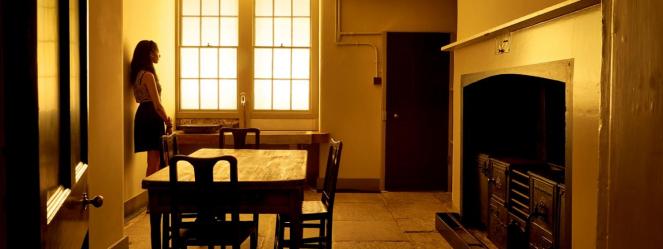 “To celebrate the opening of the Soane’s Regency-era kitchens, four leading UK designers exhibit their work in these previously unseen spaces. Below Stairs, part of London Design Festival 2016, sees Edward Barber & Jay Osgerby, Jasper Morrison, Martino Gamper and Paul Cocksedge display new and bespoke work which together informs how we design for our lives today.
Alongside these pieces are a set of newly created ‘scent chambers’ from Tasha Marks, Founder of AVM Curiosities, which provide an interactive element to the exhibition. Visitors can open the chambers to discover evocative aromas which recreate the atmosphere of a working Georgian kitchen.”
Pug’s Progress: Hogarth and Animals, Hogarth’s House, Chiswick, 12 Aug 2016 – 16 Oct 2017
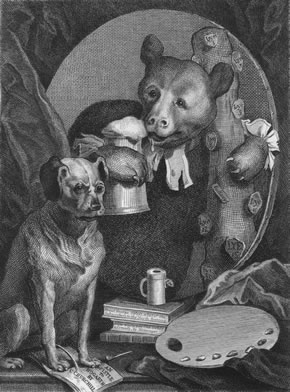
“Find out about the lives of animals in eighteenth-century Britain through the eyes of the artist William Hogarth (1697-1764) in this free exhibition at Hogarth’s House.
Visitors can trace the different experiences of animals in Hogarth’s lifetime, from pampered pet monkeys to overworked carthorses. Illustrated by large-scale images of animals from the artist’s prints and paintings, the exhibition looks at animals found both in the home and in the street and field.”
An Amateur’s Passion: Lord Fitzwilliam’s Print Collection, The Fitzwilliam Museum, Cambridge, 9 Aug 2016 – 29 Jan 2017
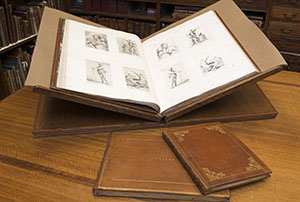
“The Museum’s founder, Lord Fitzwilliam, was an enthusiastic collector of prints. In his lifetime he amassed around 40,000 loose impressions and devoted significant time and energy arranging them into albums of varying sizes to keep on the shelves of his library. His collection reflects his broad taste, ranging from etchings by Rembrandt to works by other highly skilled but less fashionable printmakers. This exhibition looks at what interested Fitzwilliam most in acquiring and ordering his print collection and will feature examples of his albums, rarely seen in public but offering a fascinating insight into the mind of a late 18th century collector.”
In Pursuit of Pleasure: the Polite and Impolite world of Georgian Entertainment, Fairfax House, York, 29 July 2016 – 31 Dec 2016
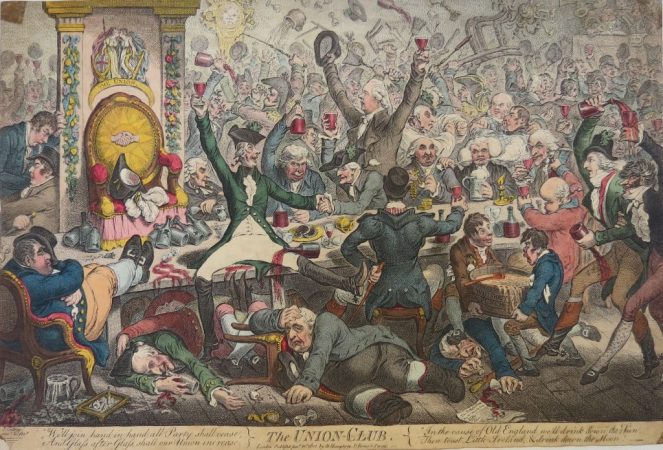
“From exotica to erotica, In Pursuit of Pleasure opens a window onto the outrageous and sometimes shocking behaviour of ‘polite society’ – conducted in the name of entertainment.
Fairfax House’s major summer exhibition will look at the social scene in English towns and cities including London, delving into the tempting array of decadent activities and pleasurable pursuits catering for all tastes and predilections, sometimes challenging the notions of what ‘polite’ entertainment encompassed in the eighteenth century.”
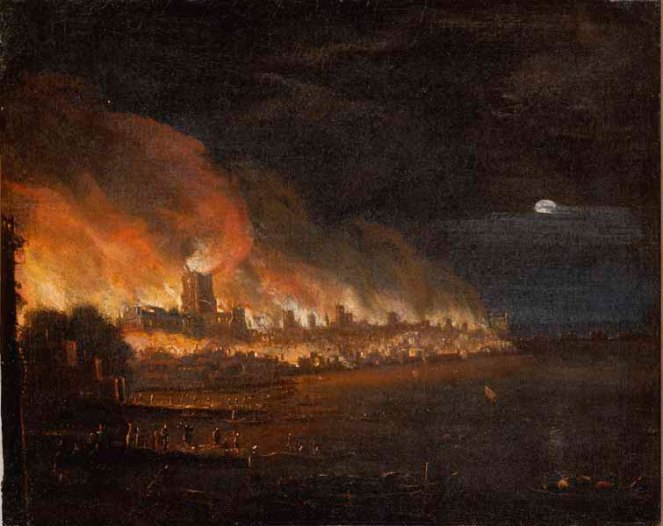
“Discover London before, during and after the Great Fire of 1666 in an interactive exhibition marking the 350th anniversary of this infamous disaster.Explore the evidence to find out how the fire started and spread, and discover the personal stories of Londoners who were there at the time.
Get up close to rarely seen 17th century artefacts and learn how the city we know today rose from the ashes.” Read my review here.
Indulgence: Daily Delights of Georgian Bath, No1 Royal Crescent, Bath, 14 May 2016 – 11 Dec 2016
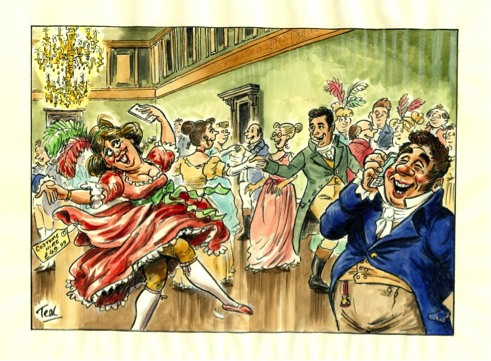
“Georgian visitors to Bath enjoyed life to the full: the pleasures of eating, dancing, gambling and flirting and other leisure pursuits were keenly pursued. Bath was a place of glorious excess as well as glorious architecture and this exhibition explores the range of amusements Bath had to offer, using Thomas Rowlandson’s famous satirical etchings ‘The Comforts of Bath’ (1798) as inspiration.
Rarely seen objects will illuminate the often expensive and sometimes decadent pastimes, such as dinners with twenty different dishes and card games where £10,000 could be lost in one sitting. New illustrations by the renowned cartoonist Adrian Teal will also be on display to show a humorous link between Bath’s 18th century pleasures and those of contemporary visitors.”
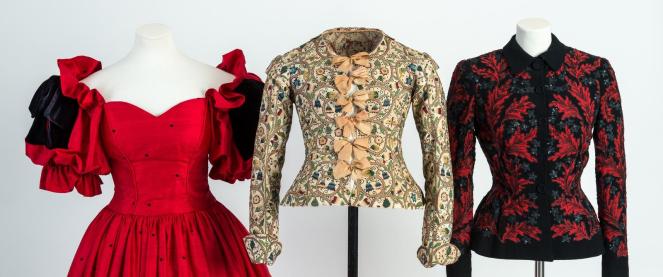
“Fashion touches everyone’s life – it is intrinsically linked to society – and A History of Fashion in 100 Objects references moments in history, as well as more personal stories. Graceful silk robes and embroidered and tailored coats for men, the styles fashionable during Bath’s Georgian heyday are on show, along with Regency fashion from the time of Jane Austen and dresses by the big names of fashion history, including the House of Worth and Christian Dior.
The exhibition also includes ten shoe ‘moments’ throughout history, from Georgian silk shoes to Nike Air trainers as well as a children’s trail featuring ten ‘historical fashion’ looks for kids, from the 1700s to the 2000s.”
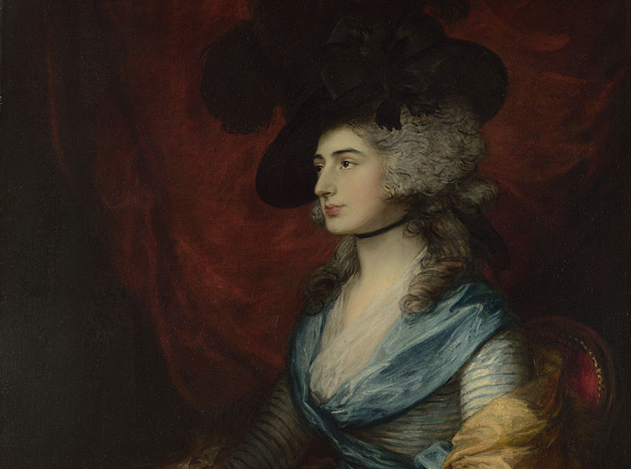
oil on canvas, National Gallery collection.
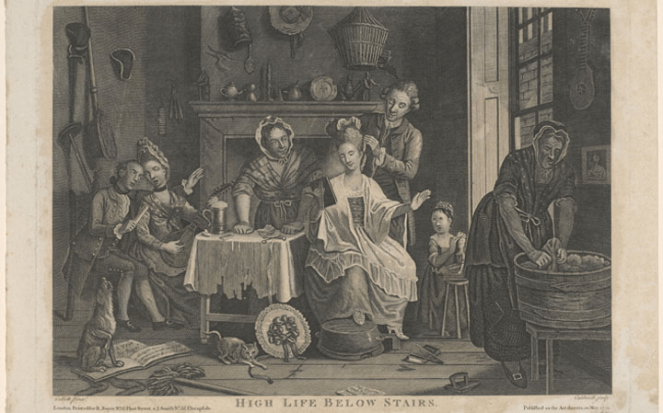
“This special exhibition will explore domestic service and the experiences of servants living and working in middle-class homes over the last four hundred years, giving a glimpse into a world often overlooked by historians.New scenarios and subtle interventions in the museum’s period rooms will illustrate the changing nature of the servant’s work and the relationship between master and servant over time – from the intimacy of a maid checking her master’s hair for nits in the late 17th century, to an ayah caring for the children of an Angle-Indian family in the late 19th century, to a French au-pair picking up after the children she looks after in 1960.”
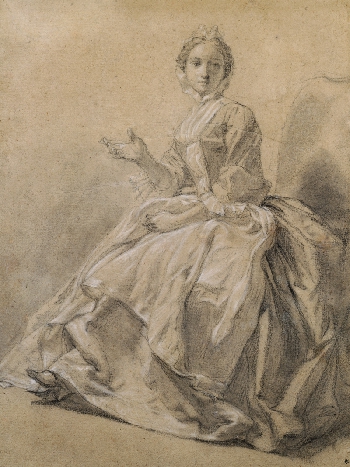
“The current exhibition in the Upper Bow Room displays a collection of drawings by Hubert-Francois Gravelot from the Gainsborough’s House permanent collection. Many of these works were produced as designs for prints, book illustrations, decorative arts and other forms of material culture.”
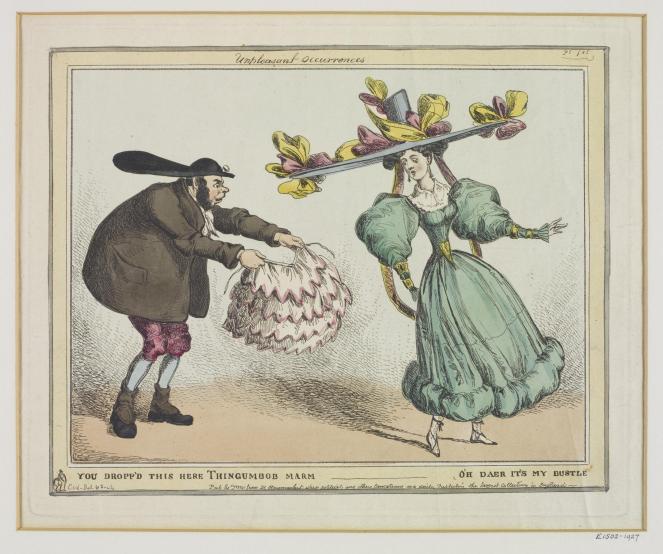
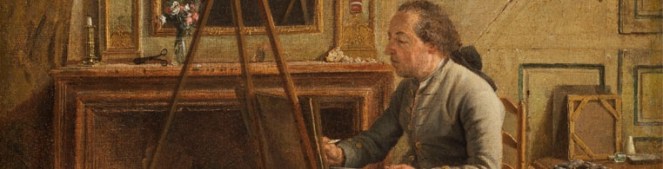
“In the eighteenth century artists referred to the space where they worked and where sitters went to have their portraits painted, as the painting room.
This exhibition explores the character and use of this important place, which was usually a room in a domestic house. Distinct from the show room where visitors could view finished work, the painting room was the artist’s inner sanctum, a private world containing the tools and instruments of the artist’s practice.”
 Georgian vice